
Run! A Stag Defends His Harem
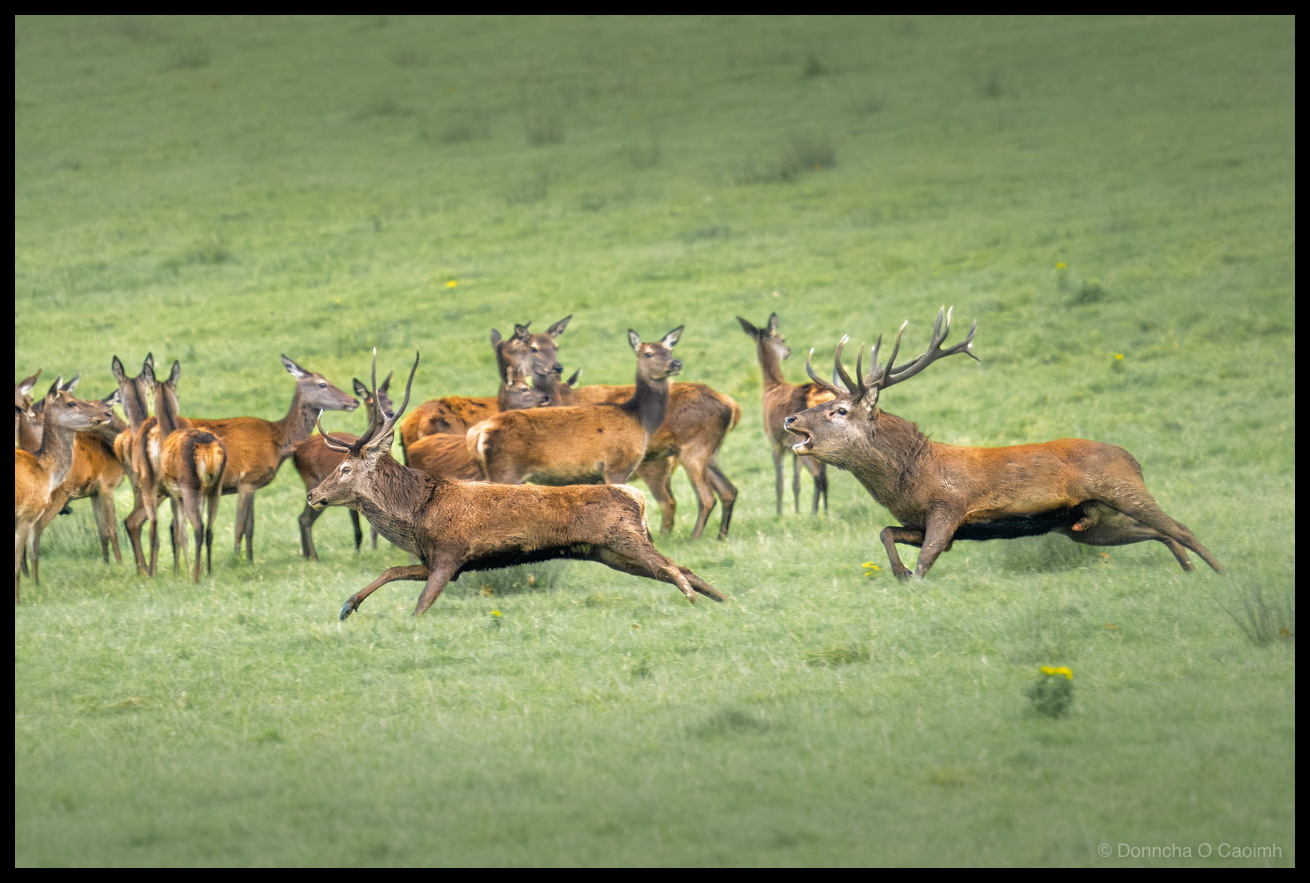
Last October we spotted a herd of deer, both stags and hinds, in a field. It wasn’t long before another stag wandered in and decided to break up the party. After running around for a bit, the stag ran through the group of hinds and then walked away, trailing 3 of them!
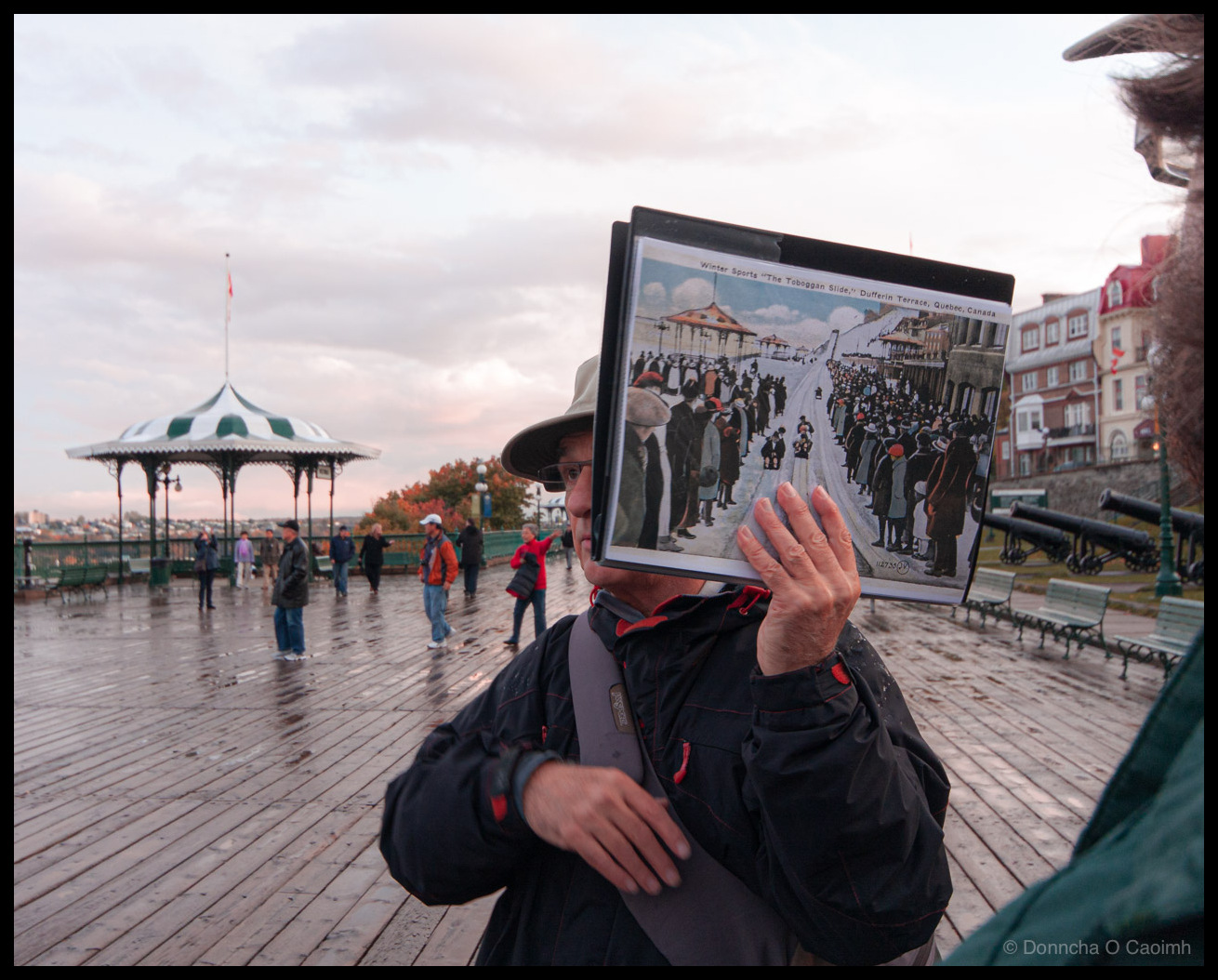
Then and Now on Dufferin Terrace
I haven’t been back to Canada in many years but 2009 was my first visit there and we stayed near Quebec and took a tour of the city on a wet and cloudy autumn day.
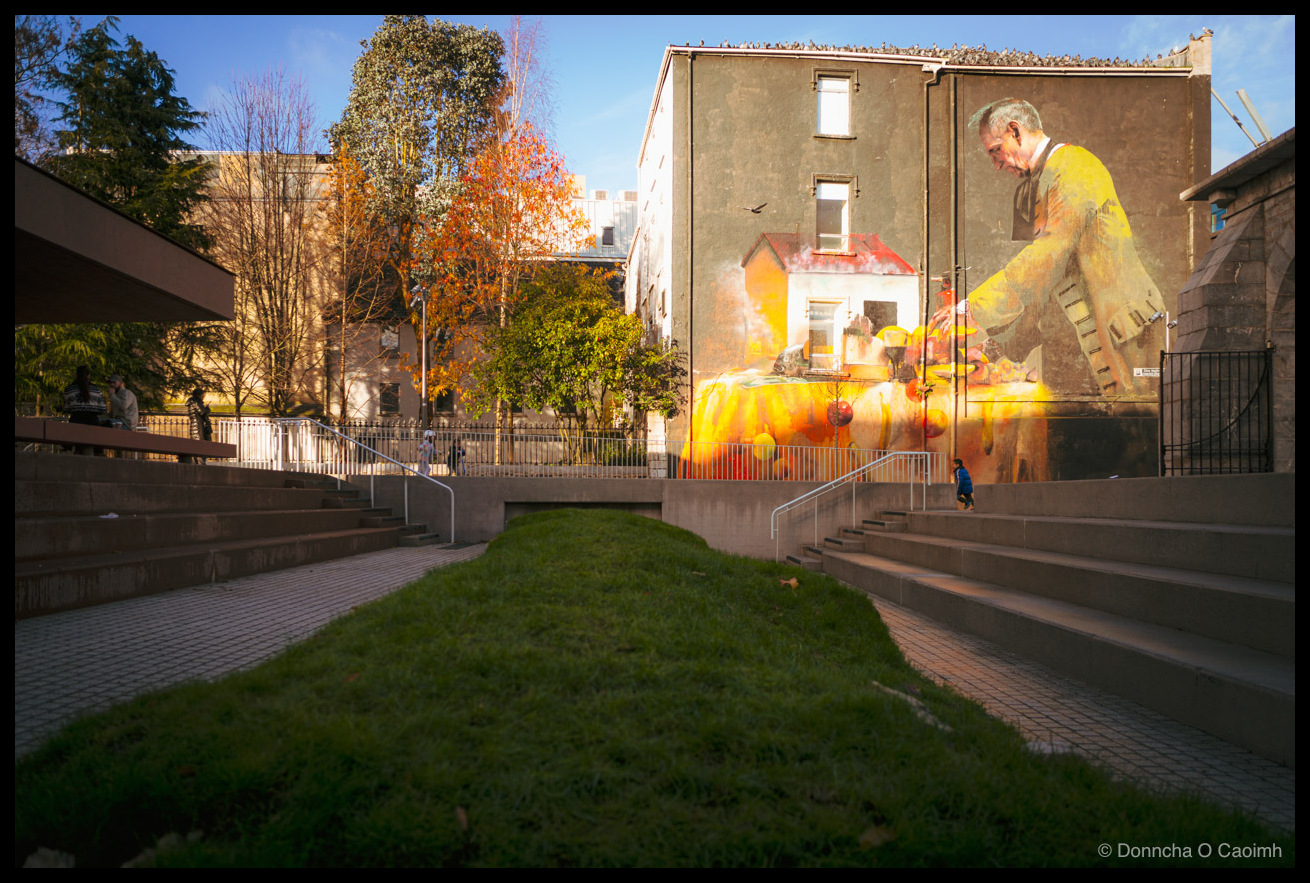
A Sunlit Afternoon on the Wall
This is me standing on the old walls of Cork where I took this photo in Bishop Lucey Park yesterday afternoon. The sun had already started to head to the horizon and it wasn’t even 3pm, but it did light up the mural on the wall and placed the ground in front of me in…
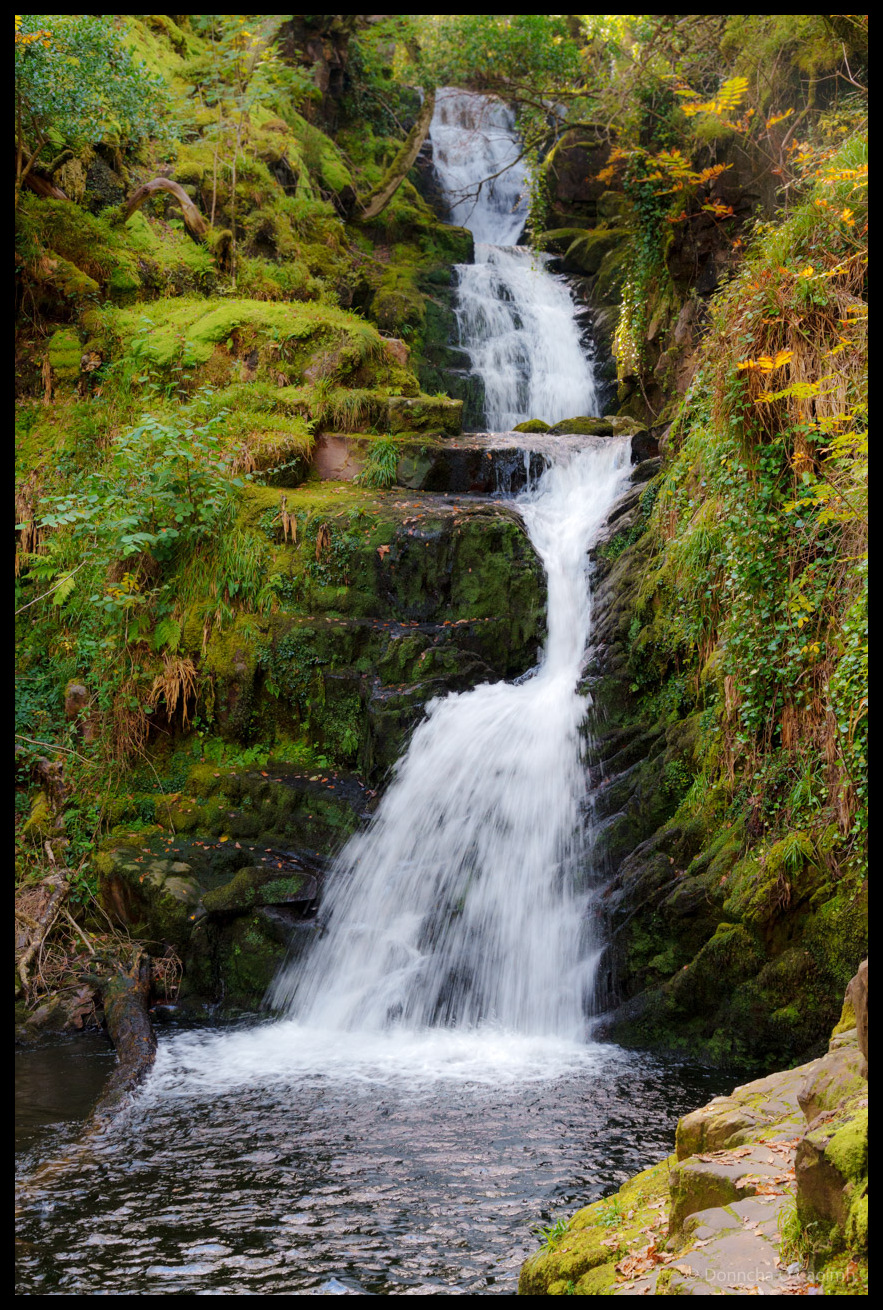
The Tiered Beauty of O’Sullivan’s Cascade
One of the highlights of a recent trip to Killarney was discovering O’Sullivan’s Cascade. There’s a 1.7 km walk from your car to the falls, but it’s worth it as the area is lovely.
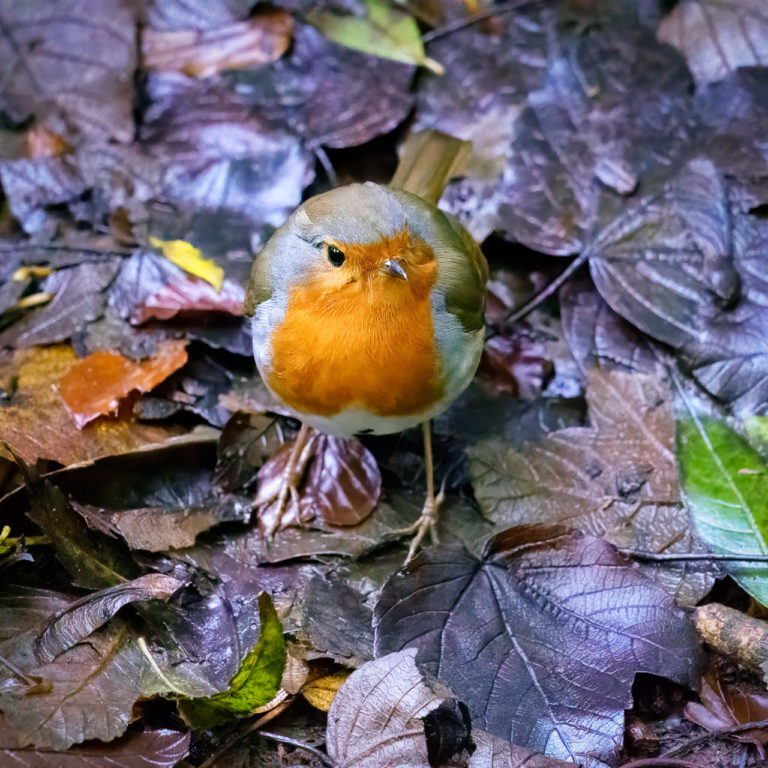
Robin on the Ground
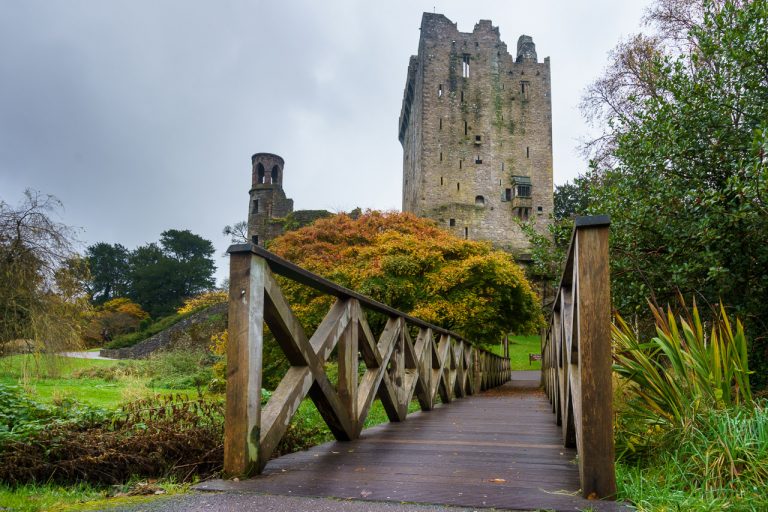
A few weeks ago, I visited Blarney Castle to take some photos of the Autumn colours. Unfortunately the light was dull, and the ground was wet, but I had my tripod with me, so I set it up for some long exposure shots. After a few minutes of that, I noticed a flicker out of…
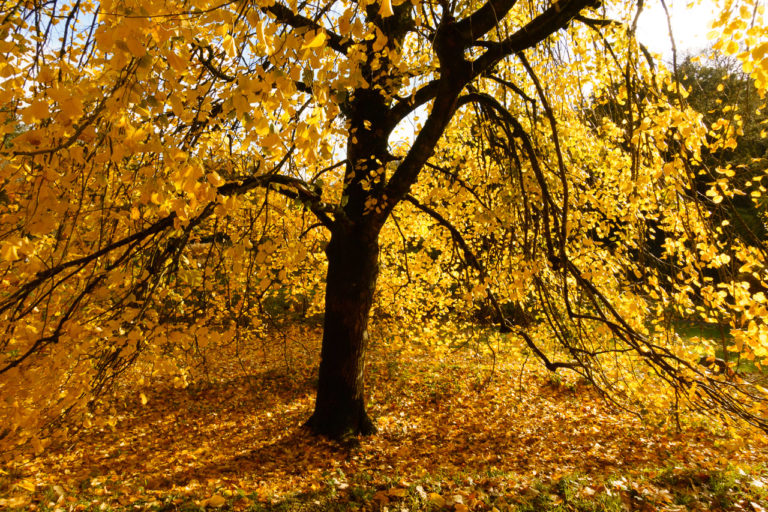
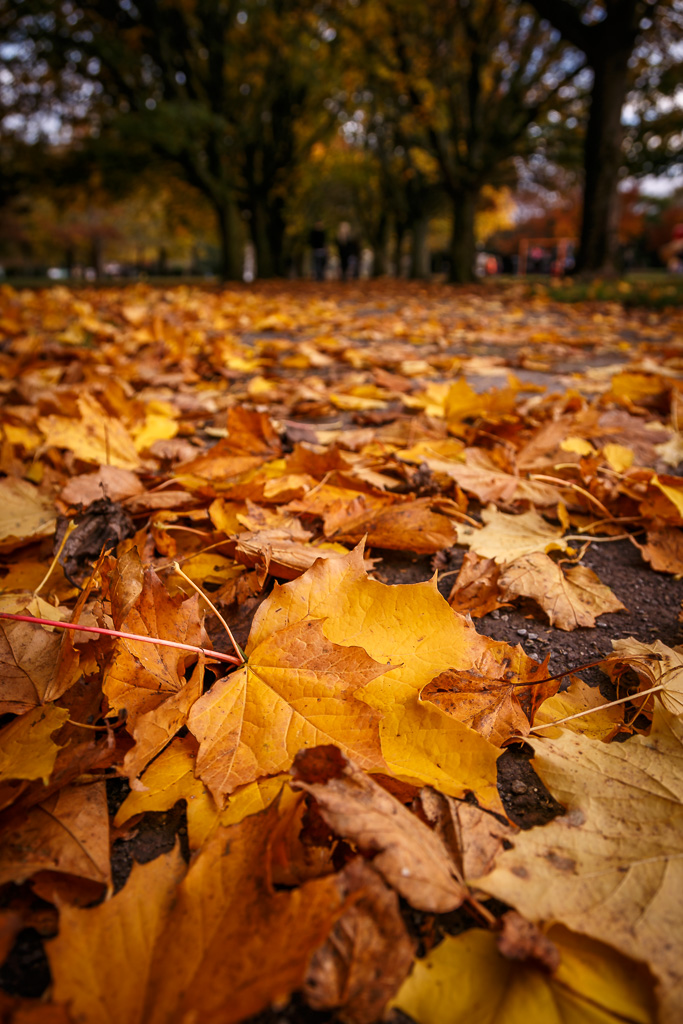
The Colours of Autumn
The golden colours of Autumn are a firm favourite of every photographer. Here’s a reminder of what they look like as trees in the northern hemisphere are now showing green shoots and daffodils are flowering.
A touch of Autumn
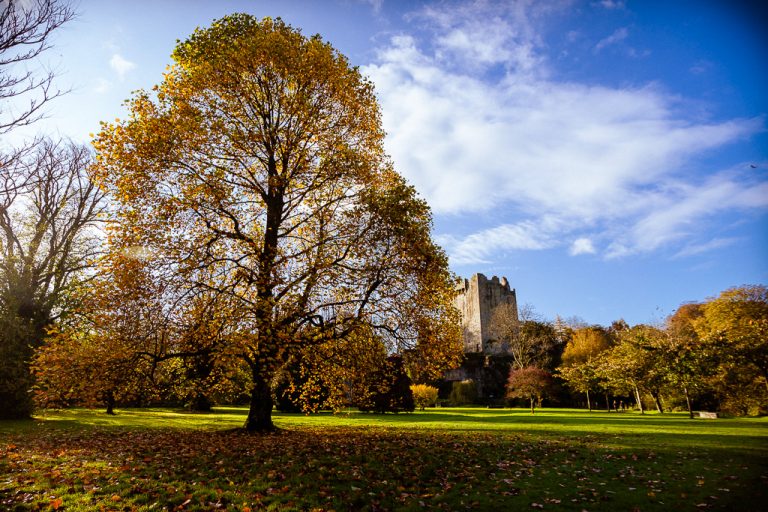
I’ve no doubt this tree in Blarney Castle Gardens is now in full bloom but back in November 2020 the leaves were turning orange as the days got colder.
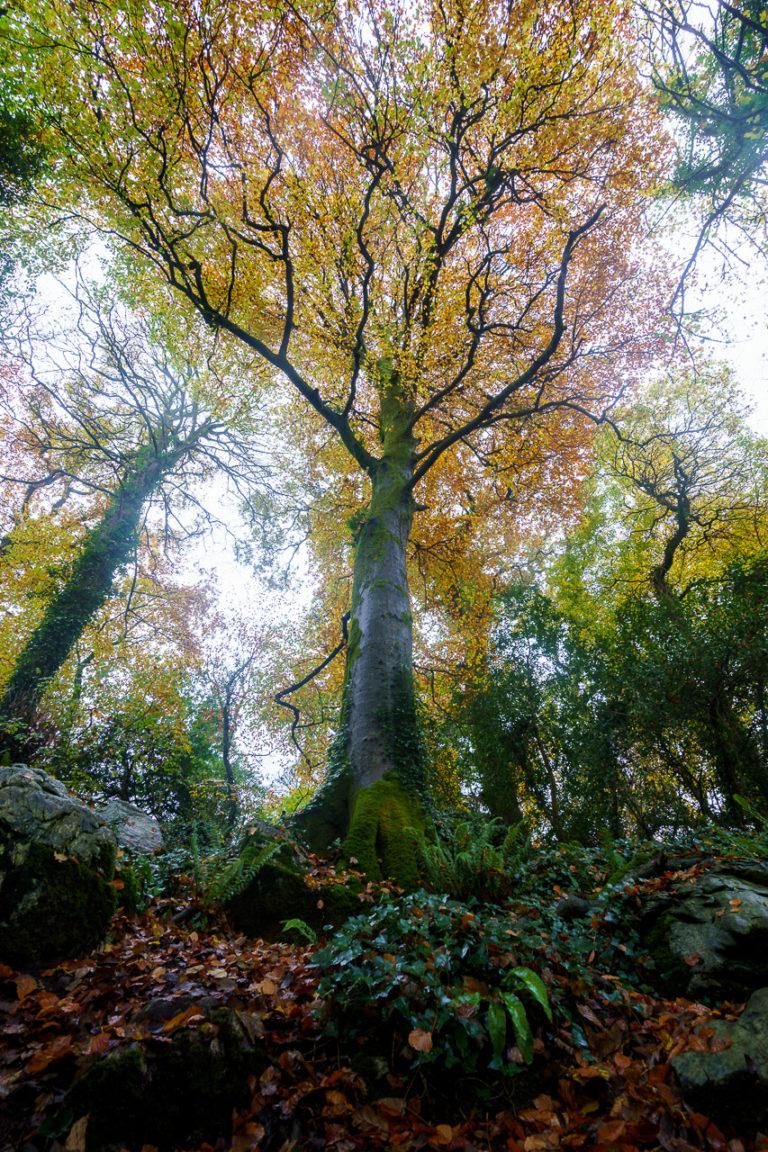
Blarney Castle in the Autumn
Blarney Castle, and Autumn colours in October 2020.
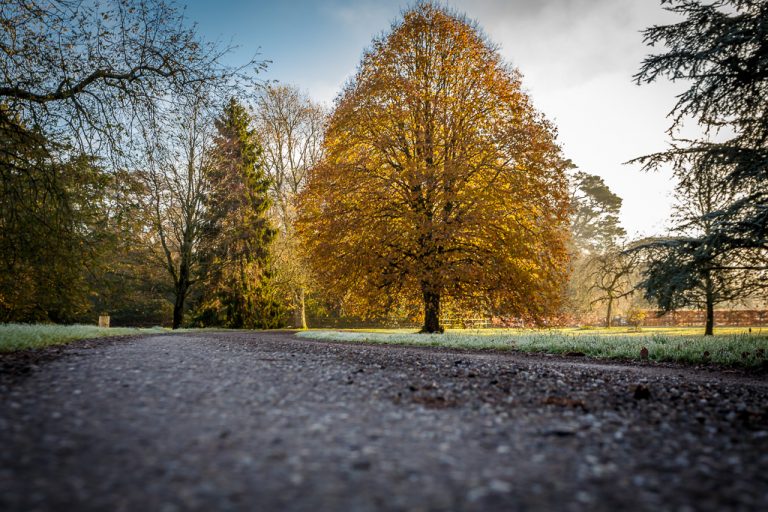
The Autumn Coat
Fitzgerald Park, November 2013.