Spirals of sparks as steel wool burns in a long exposure of about 20 seconds.
| Aperture | ƒ/8 |
| Camera | ILCE-7RM5 |
| Focal length | 24mm |
| ISO | 400 |
| Shutter speed | 20s |
I was there too
Spirals of sparks as steel wool burns in a long exposure of about 20 seconds.
| Aperture | ƒ/8 |
| Camera | ILCE-7RM5 |
| Focal length | 24mm |
| ISO | 400 |
| Shutter speed | 20s |


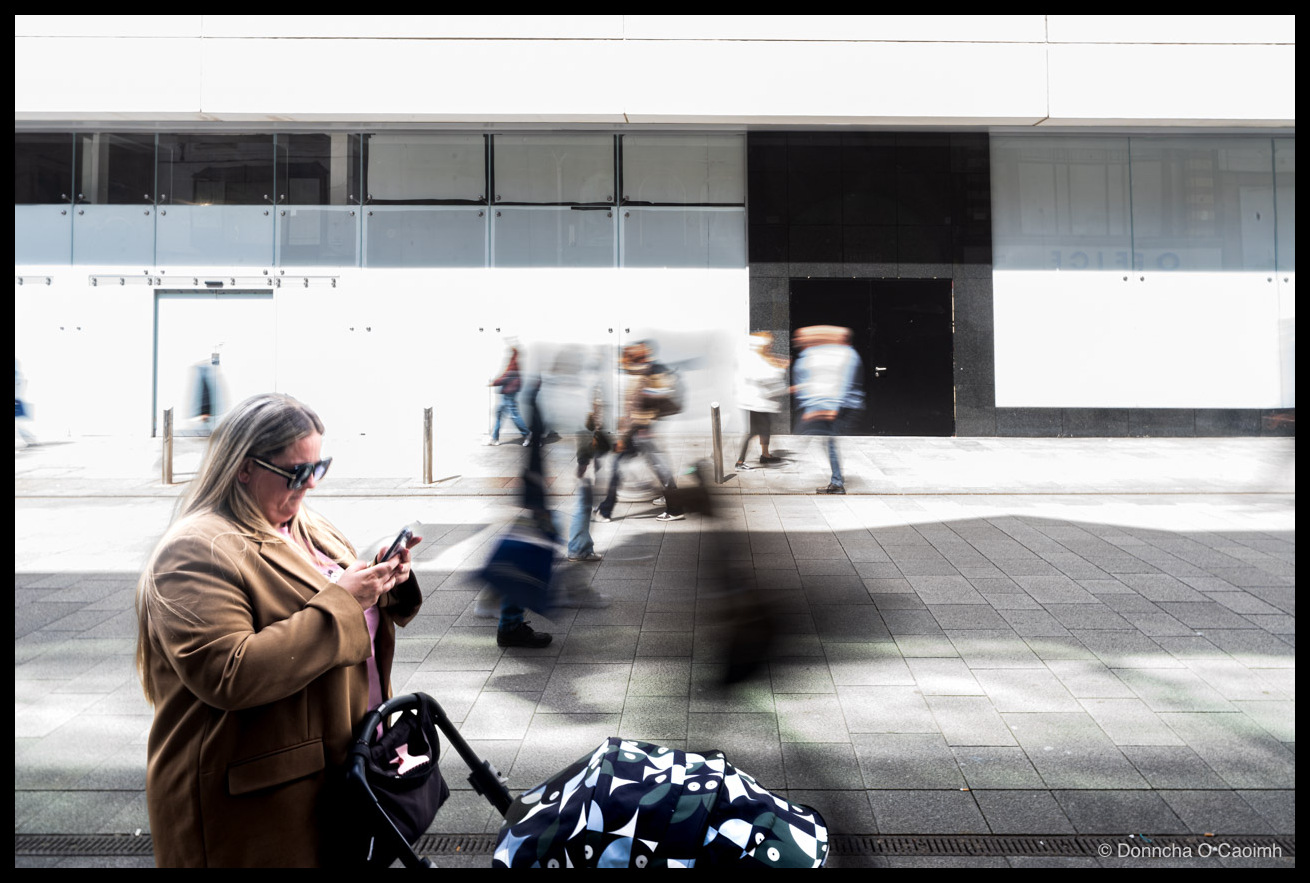
“Nollaig Shona Duit” through the years, from 2022, 2024 and 2025. From one end of St. Patrick Street to the other.
| Aperture | ƒ/8 |
| Camera | ILCE-7M3 |
| Focal length | 24mm |
| ISO | 100 |
| Shutter speed | 1/2s |
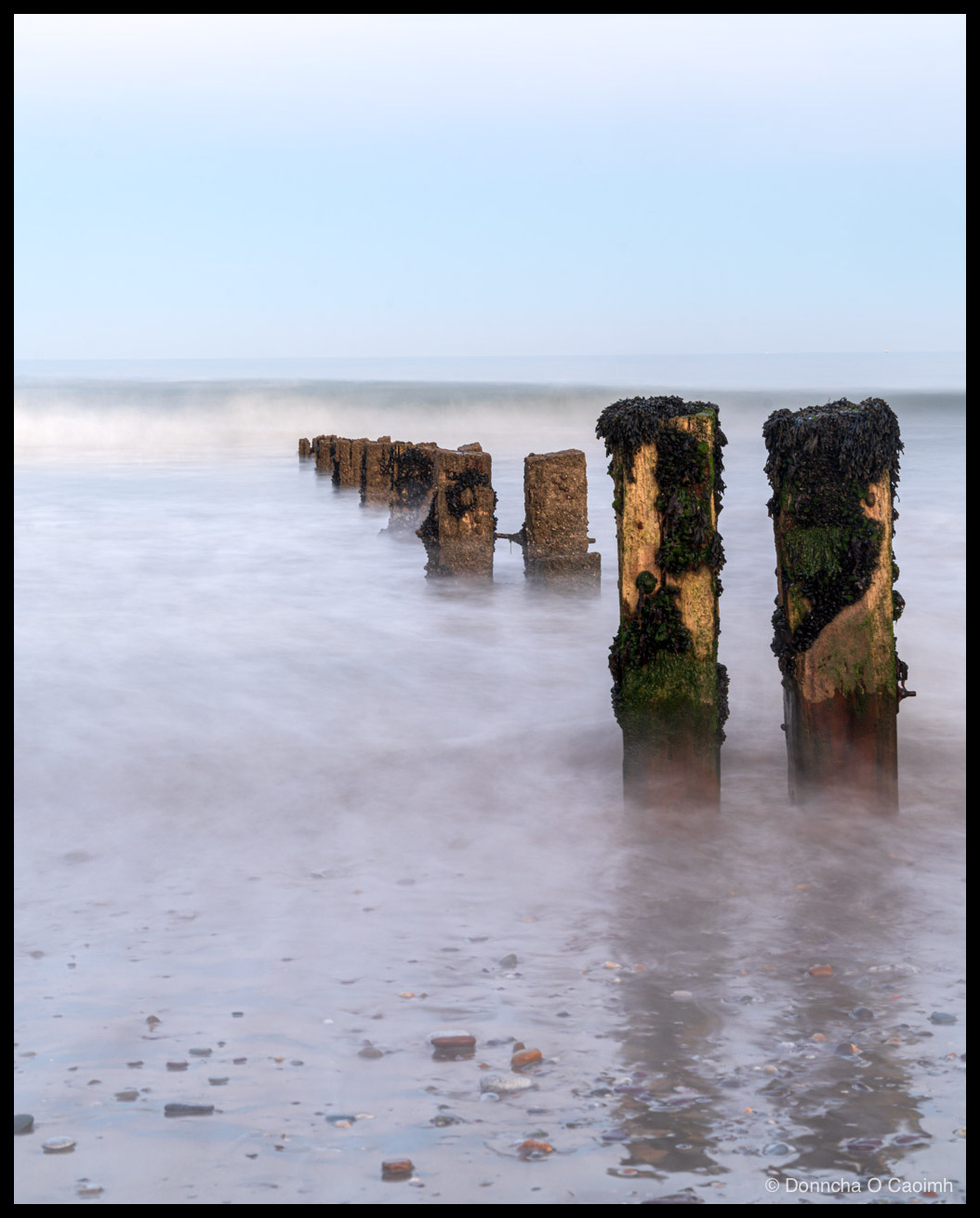
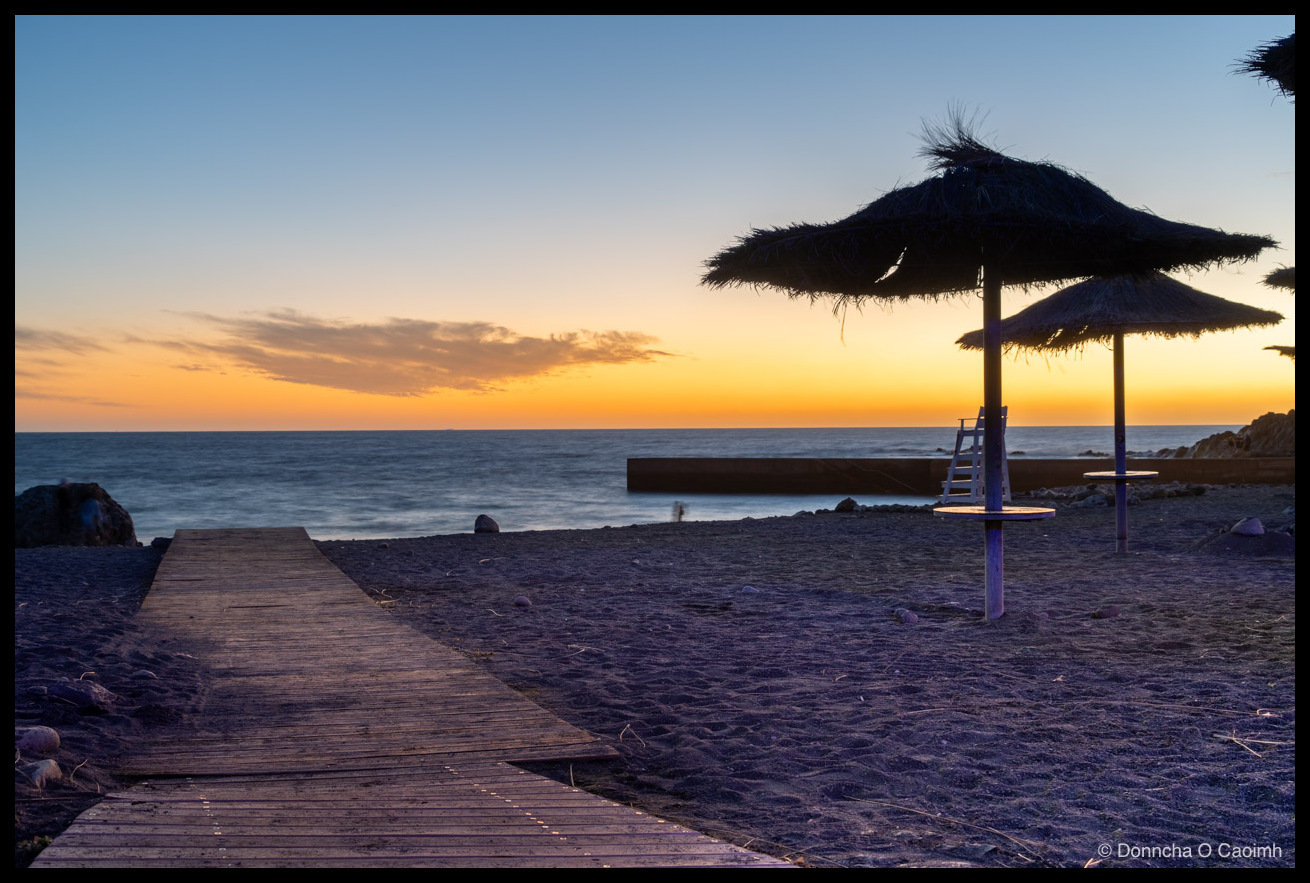
I love taking photos on the beach at Youghal, especially at sunset. This is from a few days ago when the sun was really low in the sky, and it was shining directly along the beach, rather than from behind the beach as it is during the summer!
Youghal (pronounced “Yawl”) has one of the longest sandy beaches in Ireland, stretching for about 5 kilometres along the east Cork coast. The town itself has a remarkable history. It was once one of the most important ports in Ireland and served as Sir Walter Raleigh’s home in the late 16th century. Legend has it that Raleigh planted the first potatoes in Ireland in his Youghal garden, though historians debate whether this is true. What’s certain is that the town’s beach has been a beloved destination for Cork families for generations, and those old wooden groynes dotting the strand are remnants of various attempts over the centuries to manage the ever-shifting sands.
| Aperture | ƒ/36 |
| Camera | ILCE-7RM5 |
| Focal length | 83mm |
| ISO | 100 |
| Shutter speed | 1/2.5s |

The Big Wheel or Ferris wheel, is back in the Grand Parade in Cork, but these photos are from December 2017! You’d hardly know, except for the posters on the buildings behind. This was before Ukraine was attacked by Russia and there is now a flag of Ukraine with the text, “We’re with you Ukraine” on one of the buildings to the left of this photo.
| Aperture | ƒ/13 |
| Camera | Canon EOS 6D |
| Focal length | 24mm |
| ISO | 50 |
| Shutter speed | 5s |


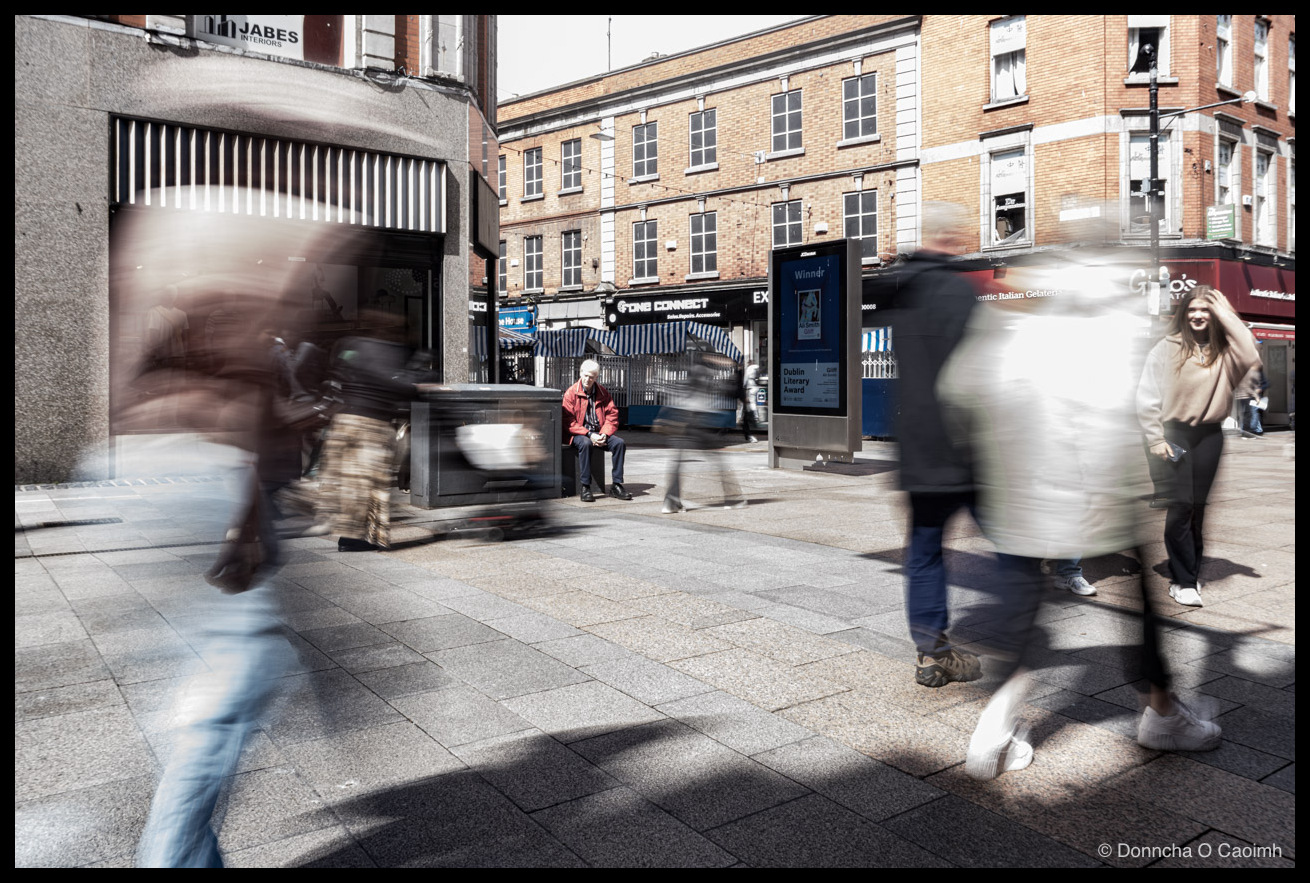
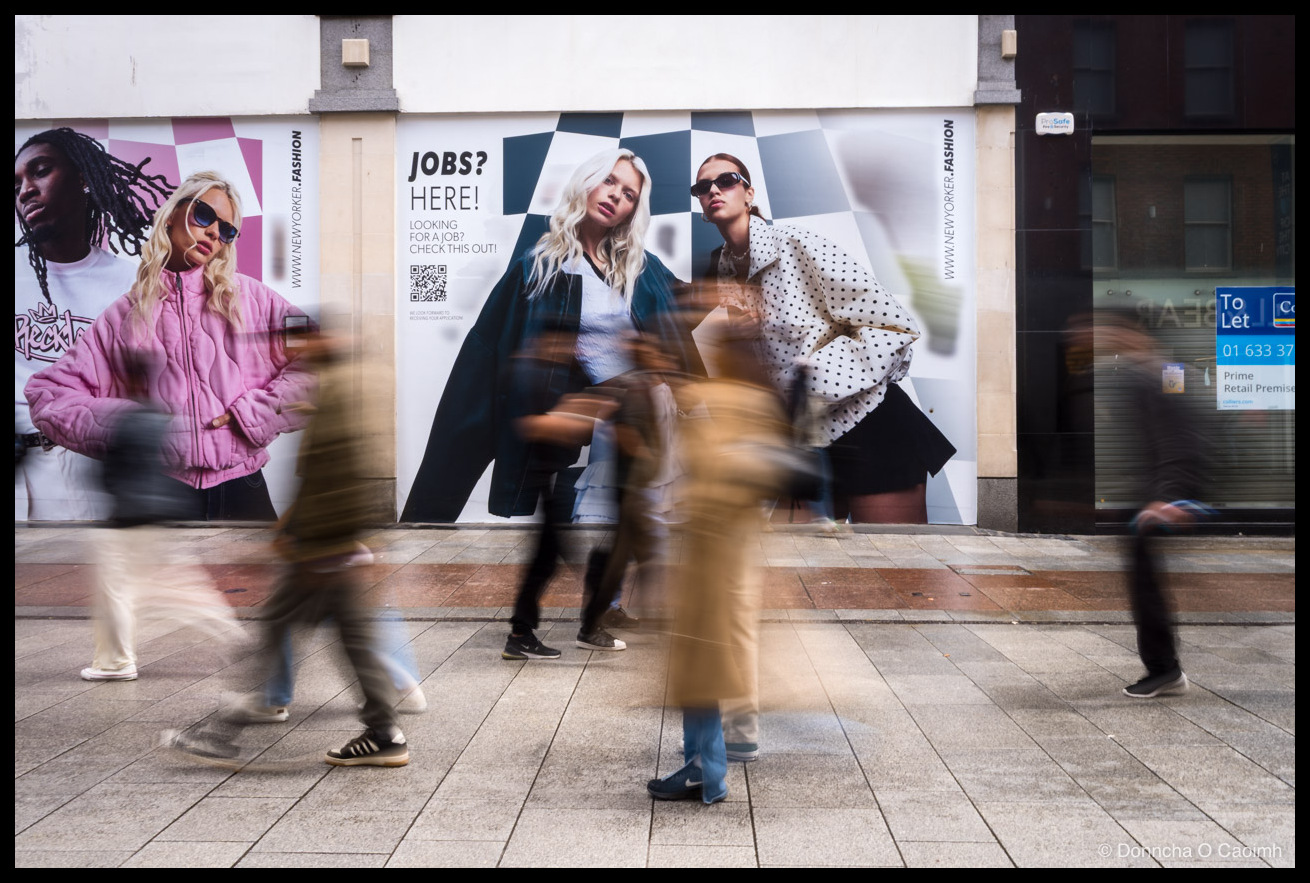
You’re not waiting for a bus and suddenly four busses come along! We had fun with some long exposure photography on. Thursday night.
| Aperture | ƒ/6.3 |
| Camera | ILCE-7RM5 |
| Focal length | 24mm |
| ISO | 100 |
| Shutter speed | 4s |
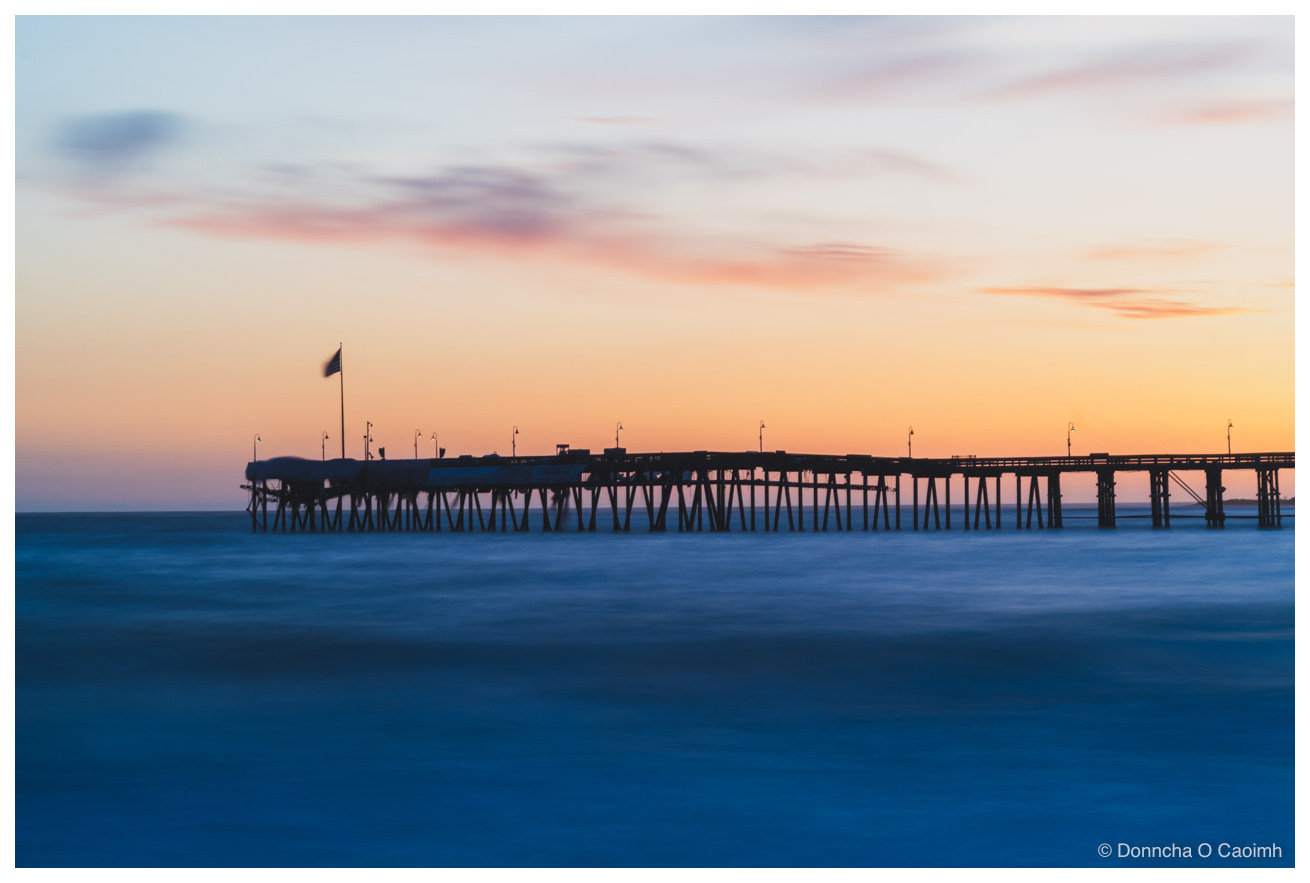
The sun had set behind the distant hills and the exposure times went up when I took this photo, but that’s what I wanted as the sea was rough and I wanted to make it silky smooth and misty at Owenahincha Beach last August.
| Aperture | ƒ/8 |
| Camera | ILCE-7RM5 |
| Focal length | 24mm |
| ISO | 50 |
| Shutter speed | 8s |
Waves broke on the rocks at the edge of Owenahincha Beach a month ago.
| Aperture | ƒ/7.1 |
| Camera | ILCE-7RM5 |
| Focal length | 24mm |
| ISO | 100 |
| Shutter speed | 1.3s |
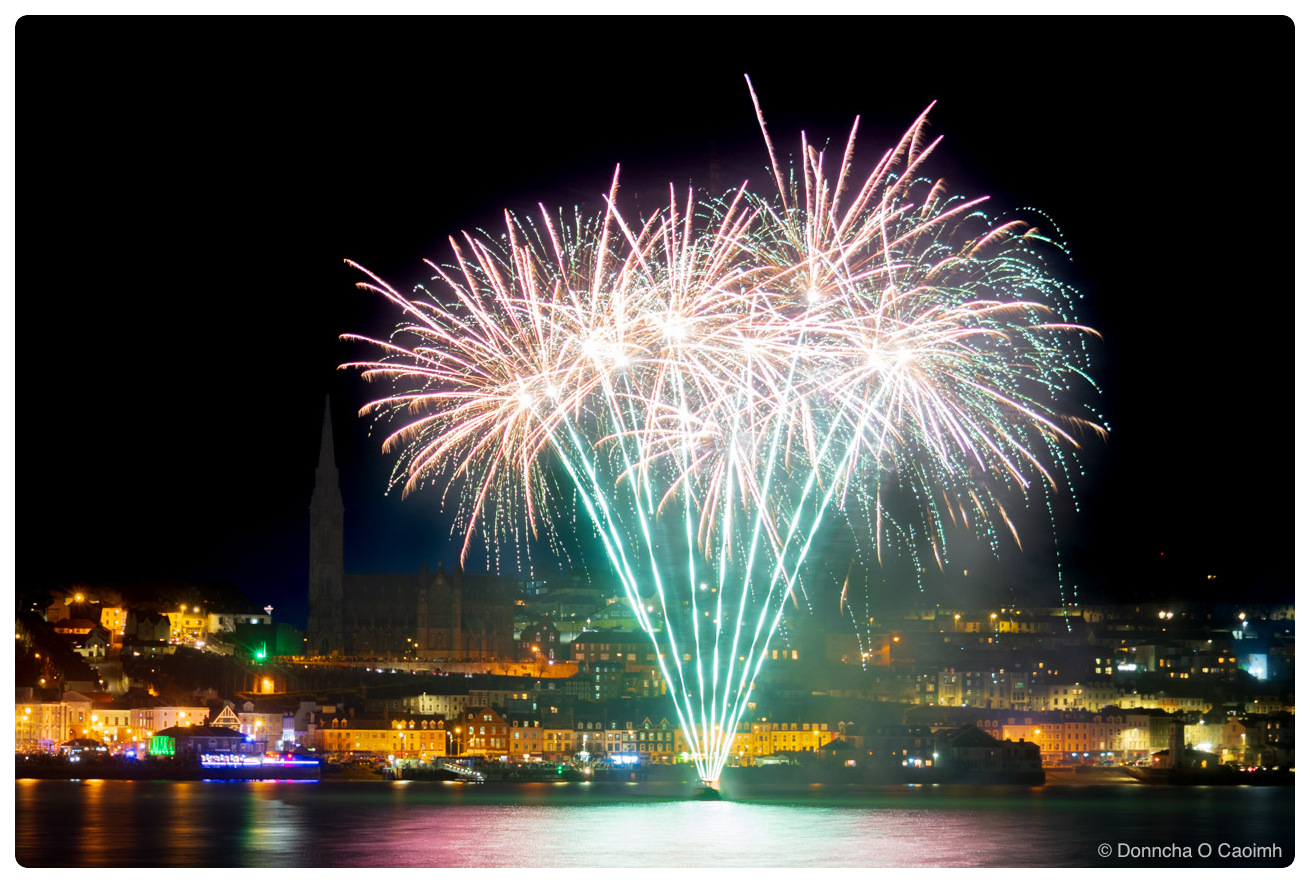
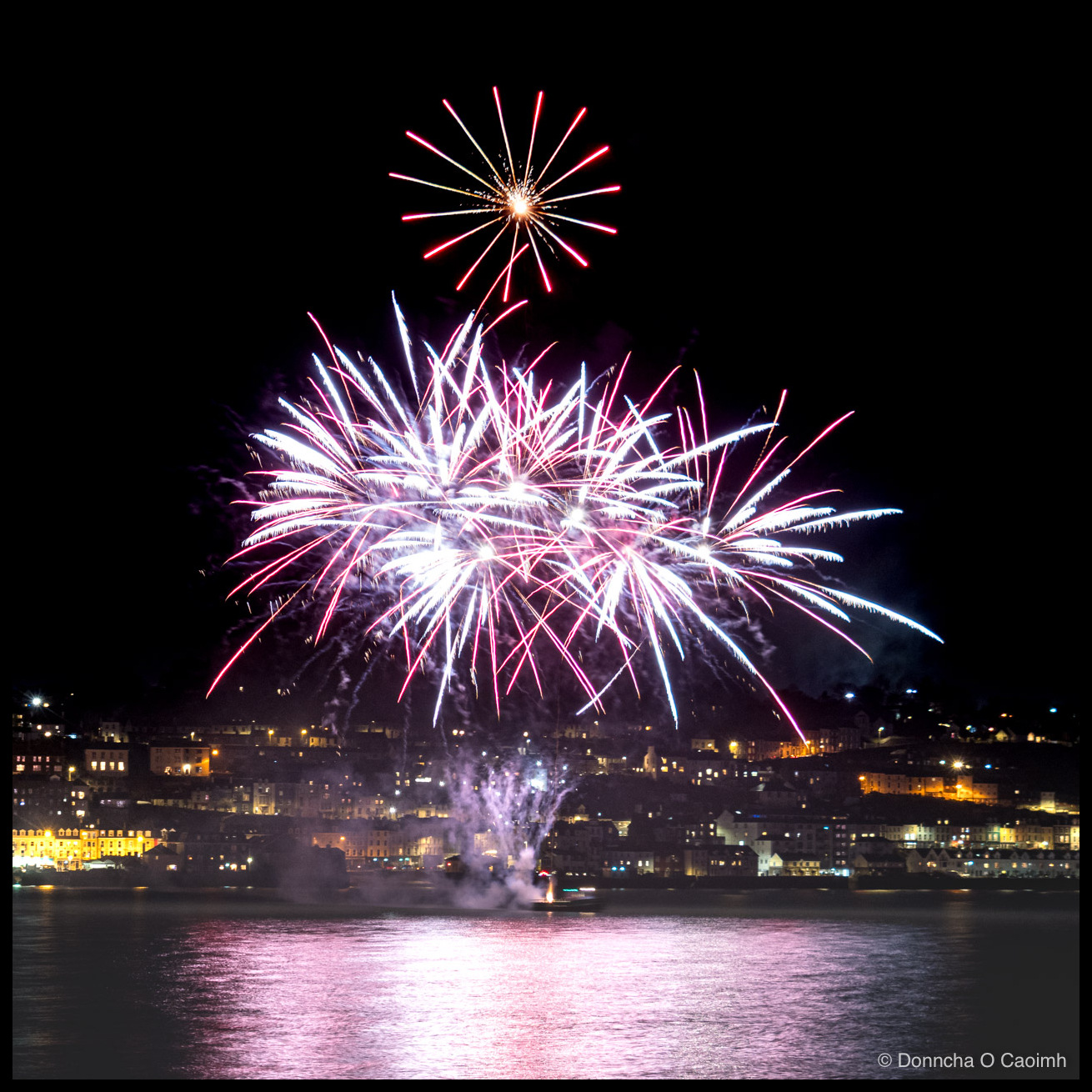
Cobh, a few minutes before fireworks lit up the sky last month.
| Aperture | ƒ/6.3 |
| Camera | ILCE-7RM5 |
| Focal length | 105mm |
| ISO | 800 |
| Shutter speed | 10s |
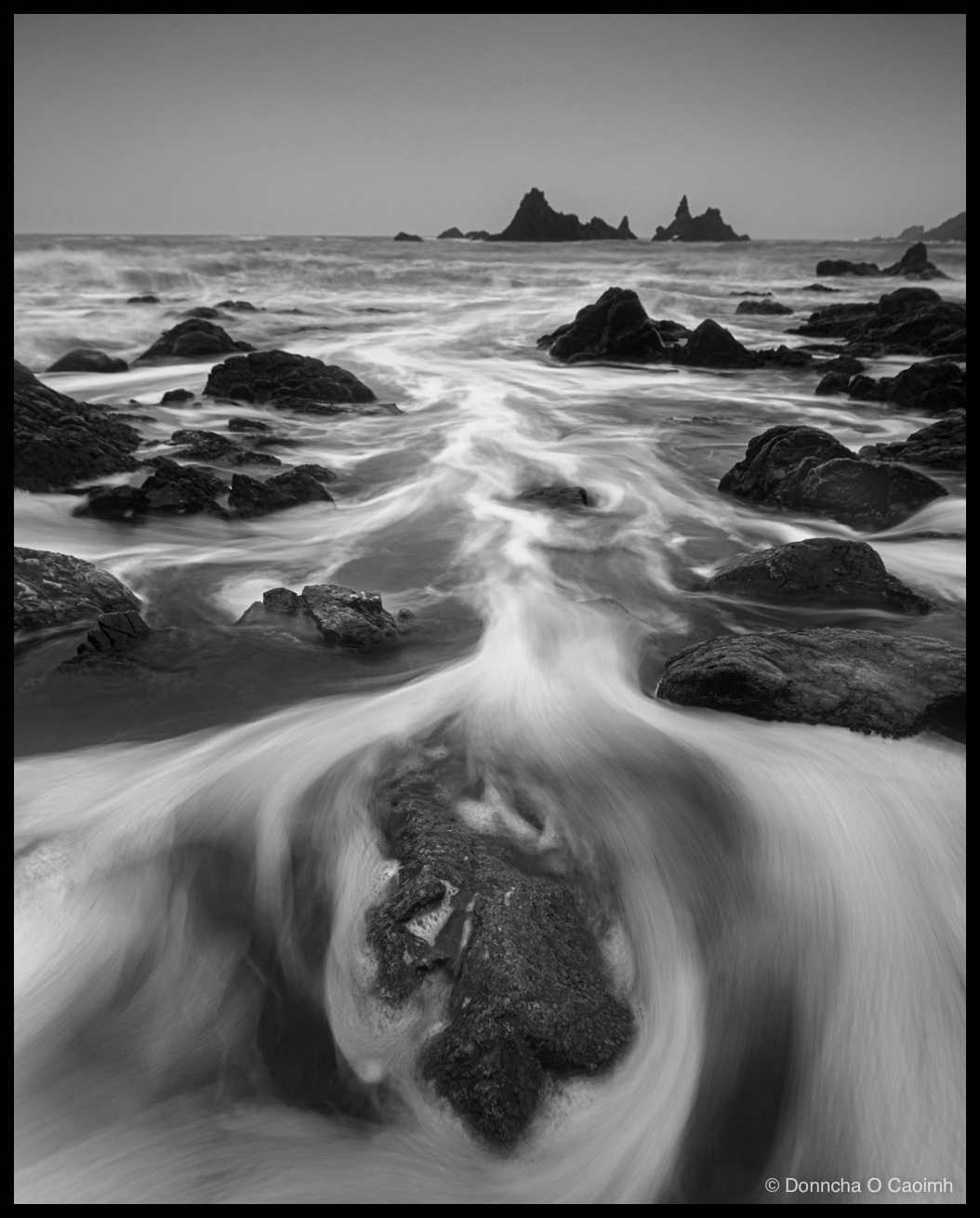
The restless Atlantic waves become ghostly veils of white mist caressing the rocks on Owenahincha Beach, Co Cork.
Henry shared a photo of this same rock yesterday. There are lovely swirls of water in his photo.
| Aperture | ƒ/8 |
| Camera | ILCE-7RM5 |
| Focal length | 24mm |
| ISO | 100 |
| Shutter speed | 2s |
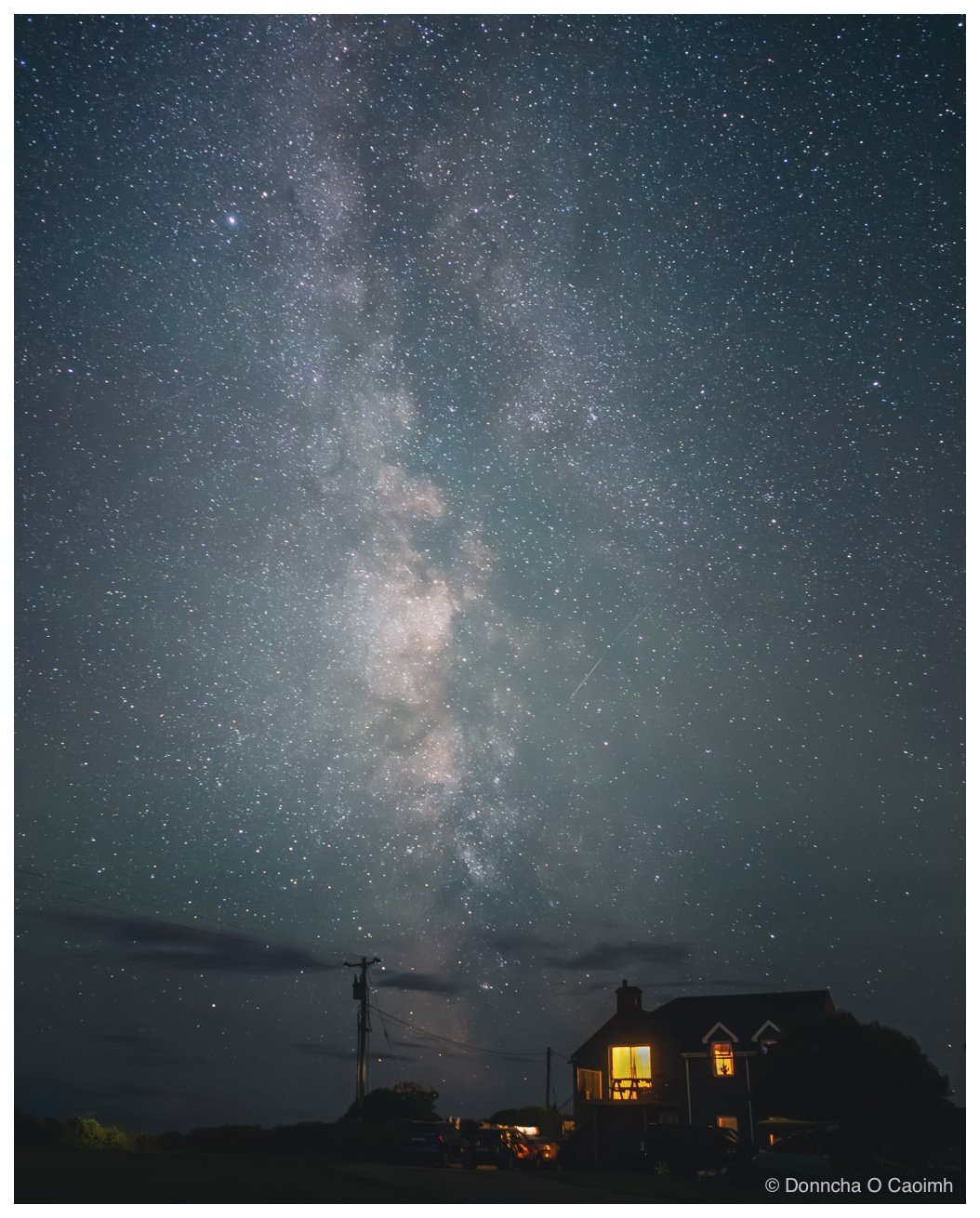
Last night Blarney Photography Club travelled to Owenahincha Beach to do some seascapes. We hoped to do some Milky Way photography later in the evening too but cloud cover got thicker and after some socialising in the nearby Celtic Ross Hotel we went home.
| Aperture | ƒ/8 |
| Camera | ILCE-7RM5 |
| Focal length | 24mm |
| ISO | 100 |
| Shutter speed | 2s |
Dunquin Harbour is mostly photographed from the cliffs above because there is a narrow winding path that descends on a steep trajectory to sea level.
As I said previously in my photo of An Fear Marbh the sky was a monochrome grey but suddenly the clouds dispersed and some of the lovely light of the sunset leaked through. This is a bracketed shot I got from near sea level before rushing up the path to get a few more photos. 🙂
Dunquin Harbour served as the traditional departure point for boats traveling to the now-uninhabited Blasket Islands, with the last permanent residents leaving in 1953. The harbour’s dramatic location at the western tip of the Dingle Peninsula made it strategically important for accessing the islands, despite the challenging Atlantic conditions. The area is rich in Irish language and culture, being part of the Kerry Gaeltacht where Irish is still spoken as a community language. The distinctive rock formations visible in this photograph are part of the ancient geological structure of the Dingle Peninsula, composed primarily of Devonian sandstones and siltstones that were formed over 400 million years ago and shaped by countless Atlantic storms.
| Aperture | ƒ/13 |
| Camera | ILCE-7RM5 |
| Focal length | 24mm |
| ISO | 100 |
| Shutter speed | 1/5s |
Someone walking past a sail in Kinsale made for a nice slow-motion intentional camera movement photo.
| Aperture | ƒ/5.6 |
| Camera | ILCE-7RM5 |
| Focal length | 49mm |
| ISO | 100 |
| Shutter speed | 1.3s |